It is 38°C outside, your dog has just rolled in something unspeakable at the park, and the bathroom is right there. Surely more baths are better in this heat?
Not quite. Bathe your dog too often and you strip the natural oils that protect their skin. Too rarely, and your sofa will let you know. The right rhythm for Indian weather sits somewhere in between, and it depends far more on your dog's coat and lifestyle than on the thermometer.
The Short Answer
Most healthy dogs need a full bath only every few weeks, not every few days [1]. Guidance varies with the dog: some vets suggest about once a month, and the ASPCA's baseline is at least once every three months, more often for dogs who spend lots of time outdoors [2].
For a typical Indian city dog, once every three to six weeks is a comfortable starting point. Adjust from there, using your dog's coat and nose (and yours) as the guide.
It Depends on the Coat
- Short, smooth coats (most indies, Labradors, Beagles, Pugs): these coats shed dirt well. Every four to six weeks is usually plenty, with wipe-downs in between.
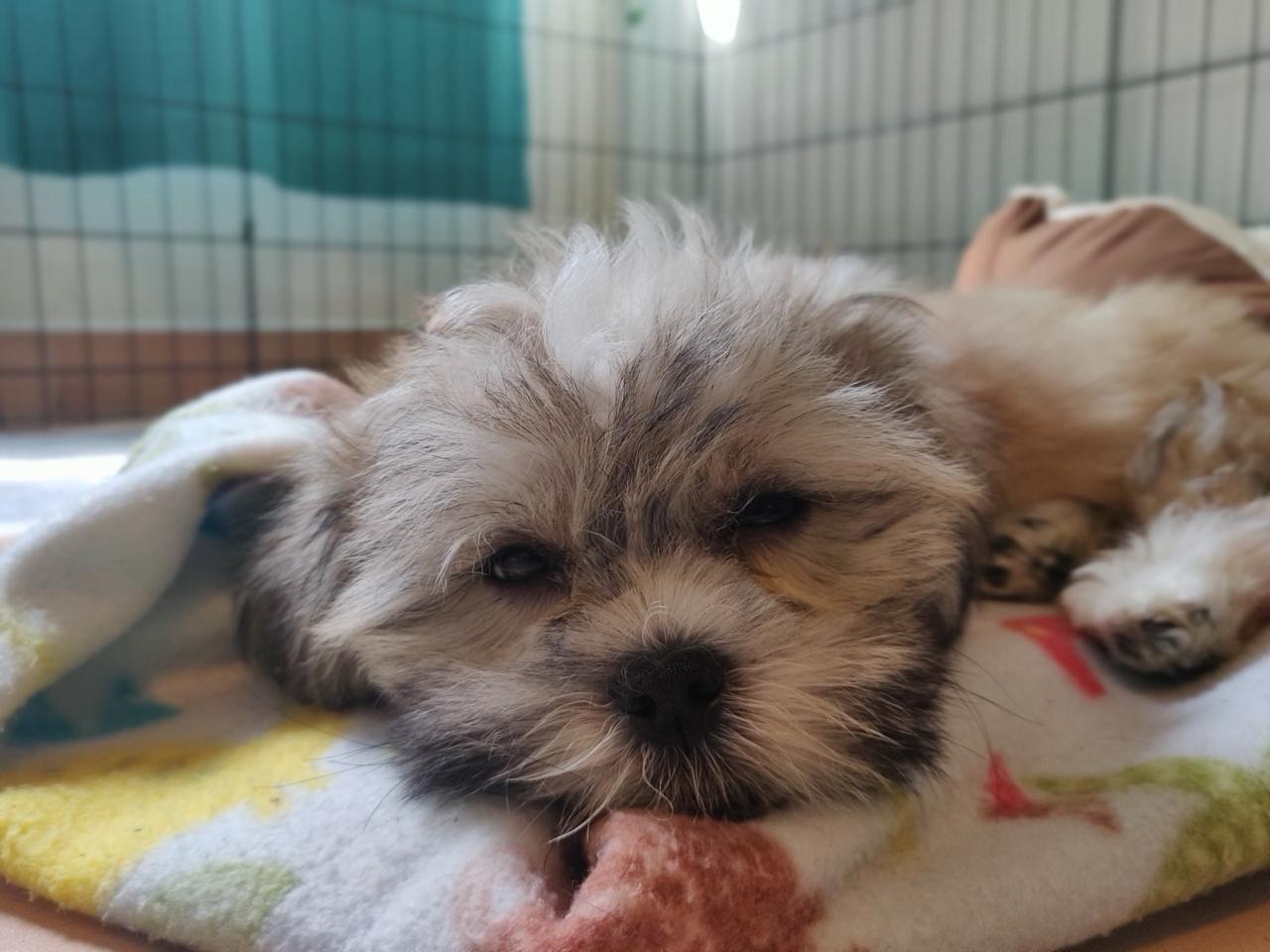
- Non-shedding, long or curly coats (Shih Tzus, Lhasa Apsos, Poodles): these need more upkeep. A bath roughly every six to eight weeks, often with a groom, suits most of them [3], plus regular brushing at home to prevent mats.
- Thick double coats (Golden Retrievers, German Shepherds, Huskies): baths help most during heavy shedding seasons [3]. Their dense undercoat takes a long time to dry, which matters a lot in Indian humidity (more on that below).
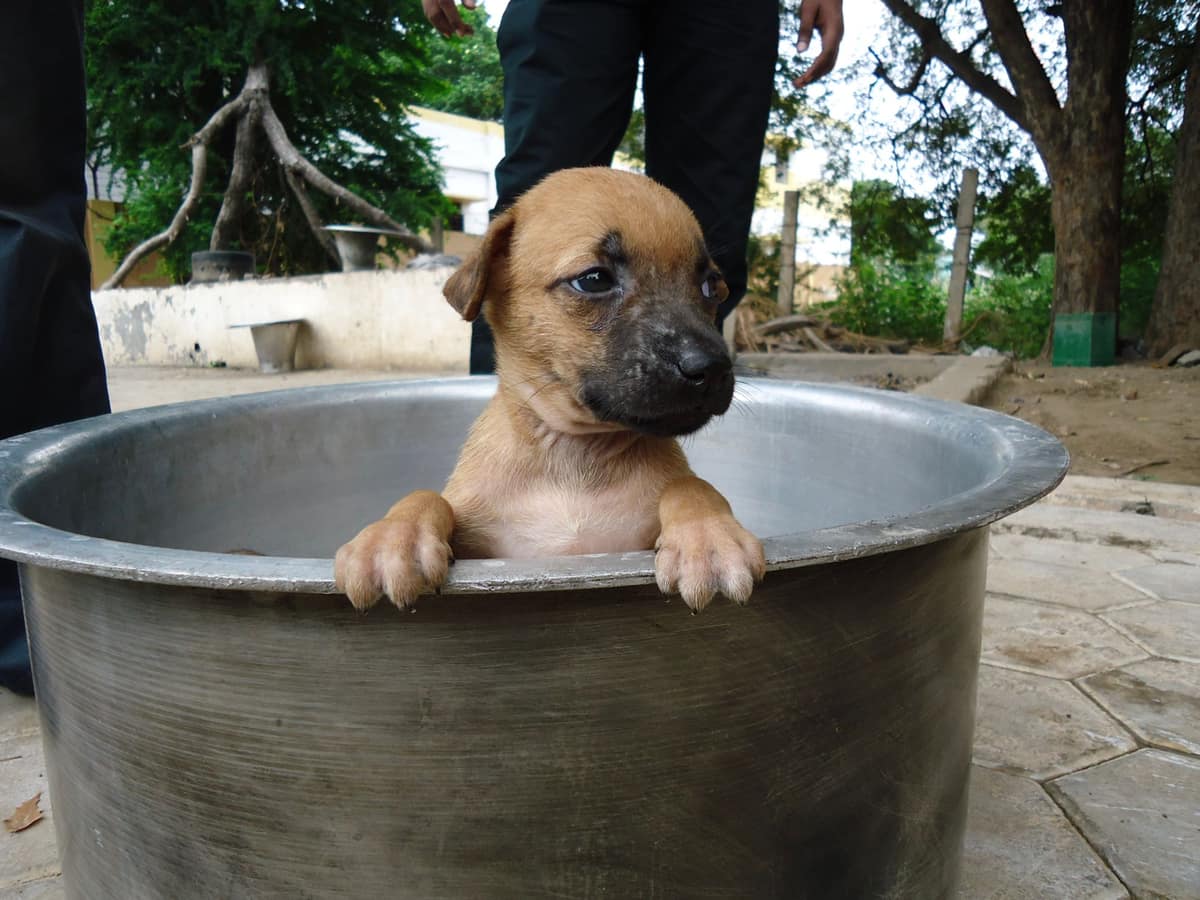
Indies deserve a special mention. Desi dogs have a low-maintenance coat built for this climate, and many need fewer baths than their owners think. If your indie does not smell and is not visibly dirty, a brush and a wipe may be all they need.
Summer, Monsoon and Winter
Summer. Heat makes us want to bathe our dogs constantly, but a cool bath does not keep a dog cool for long, and frequent shampooing dries the skin. A plain-water rinse or a damp towel on a hot afternoon, shade, and fresh water do more for comfort than extra shampoo.
Monsoon. This is the trickiest season. Dogs come home muddy and damp, and fur that stays wet in humid air is an invitation for skin trouble. Rinse muddy paws and legs after walks, but save full shampoo baths for when they are really needed, and dry thoroughly every single time.
Winter. You can and should still bathe your dog in winter, just more carefully. Use lukewarm water, bathe in the warmest part of the day, keep the room draught-free and dry your dog completely before they go outside. Our winter care guide covers keeping them warm afterwards.
Why Not Your Own Shampoo?
Human shampoo, baby shampoo and soap are made for human skin, which is more acidic than a dog's. Using them regularly can dry out and irritate your dog's skin [4]. Use a shampoo made for dogs. For routine baths, a mild, unscented or hypoallergenic one is a good default.
- Skip dish soap and laundry detergent, even "just this once".
- Do not add antiseptic liquids to the bath water unless your vet has told you to.
- Be cautious with home remedies. Some oils and herbal mixes can irritate sensitive skin, so check with your vet before trying one.
- Rinse thoroughly. Leftover shampoo is a common cause of itchiness after a bath.
A Calm Bath at Home, Step by Step
Most Indian homes do not have a dog tub, and that is fine. A bathroom floor with a non-slip mat, a bucket and a mug work perfectly well.
- Brush first. Water turns tangles into tight mats, so brush out knots and loose fur before your dog gets wet.
- Get everything ready. Dog shampoo, two or three towels, a mug, treats and the dryer, all within reach before you start. A wet dog will not wait while you look for the towel.
- Check the water. Lukewarm, like a baby's bath. Geyser water can be hotter than you think, so test it on your wrist.
- Wet the body, not the face. Start at the neck and work back, soaking right down to the skin. Use a damp cloth for the face, and keep water out of the eyes and ears.
- Lather gently, following the label, and pay attention to paws, armpits and the belly, where dirt collects.
- Rinse, then rinse again. Keep going until the water runs completely clear and the coat no longer feels slippery.
- Reward. Treats and praise throughout turn bath time from an ordeal into a routine.
If your dog is anxious, keep the first few baths short and happy. A lick mat smeared with a little curd or peanut butter (one without xylitol) on the bathroom wall can work wonders.
Drying Matters More Than You Think
In Indian humidity, this is the step that most often goes wrong. A coat that stays damp, especially a thick undercoat or the fur under a collar, can set off hot spots: red, sore, moist patches of infected skin that can spread fast [5].
- Towel off thoroughly, pressing into the coat rather than just rubbing the top.
- For thick or long coats, finish with a hair dryer on a cool or low setting, held at a distance and kept moving [5].
- Take the collar or harness off until the fur underneath is completely dry.
- Dry ears gently with a soft cloth. Do not push anything into the ear canal.
If your dog still smells musty a day after a bath, the undercoat probably did not dry properly. Next time, give it longer with the dryer.
Staying Fresh Between Baths
- Brush regularly. Brushing lifts out dust, loose fur and dandruff, and spreads natural oils through the coat. For most dogs it does more for a clean coat than bathing does.
- Wipe paws after walks. A damp cloth handles city dust, mud and whatever is on the road.
- Check for ticks. The brown dog tick is the most common tick on Indian dogs and can carry diseases like ehrlichiosis, often called tick fever [6]. Run your hands over your dog after walks, paying attention to the ears, neck, armpits and between the toes.
- Wash the bedding. A clean dog on a smelly bed will not stay fresh for long.
If you want to remember when your dog was last bathed, groomed or given tick treatment, The Fur Stories app keeps it all in one place, along with reminders for what is coming up.
When Bathing Is a Vet Question
Some dogs need medicated baths for allergies or skin infections. These follow your vet's schedule, which can be as often as weekly [7], and the contact time matters, so follow the instructions exactly.
Call your vet if you notice any of these:
- Red, moist or bald patches
- Constant scratching, licking or chewing
- A strong smell that comes back within days of a bath
- Greasy or flaky skin
A smelly dog is sometimes just a dog who found something interesting to roll in. Sometimes it is the skin or ears asking for help. Your vet can tell you which.
📖 Related Guides
Frequently Asked Questions
References & Sources
- Cornell University College of Veterinary Medicine. Hot spots. https://www.vet.cornell.edu/departments-centers-and-institutes/canine-health-center/health-info/hot-spots
- Pathogens (MDPI), peer-reviewed. Molecular confirmation, epidemiology and pathophysiology of Ehrlichia canis prevalence in eastern India. https://www.mdpi.com/2076-0817/13/9/803
- VCA Animal Hospitals. Summer grooming and coat care safety tips for dogs. https://vcahospitals.com/shop/promotions/holiday/summer-grooming-and-coat-care-safety-tips-for-dogs
- ASPCA. Dog Grooming Tips. https://www.aspca.org/pet-care/dog-care/dog-grooming-tips
- VCA Animal Hospitals. Grooming and Coat Care for Your Dog. https://vcahospitals.com/know-your-pet/grooming-and-coat-care-for-your-dog
- VCA Animal Hospitals. Personal Care Products and Your Pet. https://vcahospitals.com/know-your-pet/personal-care-products-and-your-pet
- VCA Animal Hospitals. How to Bathe Dogs with Medicated Shampoo. https://vcahospitals.com/know-your-pet/how-to-bathe-dogs-with-medicated-shampoo
About the authors
Pet Health Writers
Our editorial team researches, collates, and publishes evidence-based pet health content tailored to the unique needs of Indian pet parents.