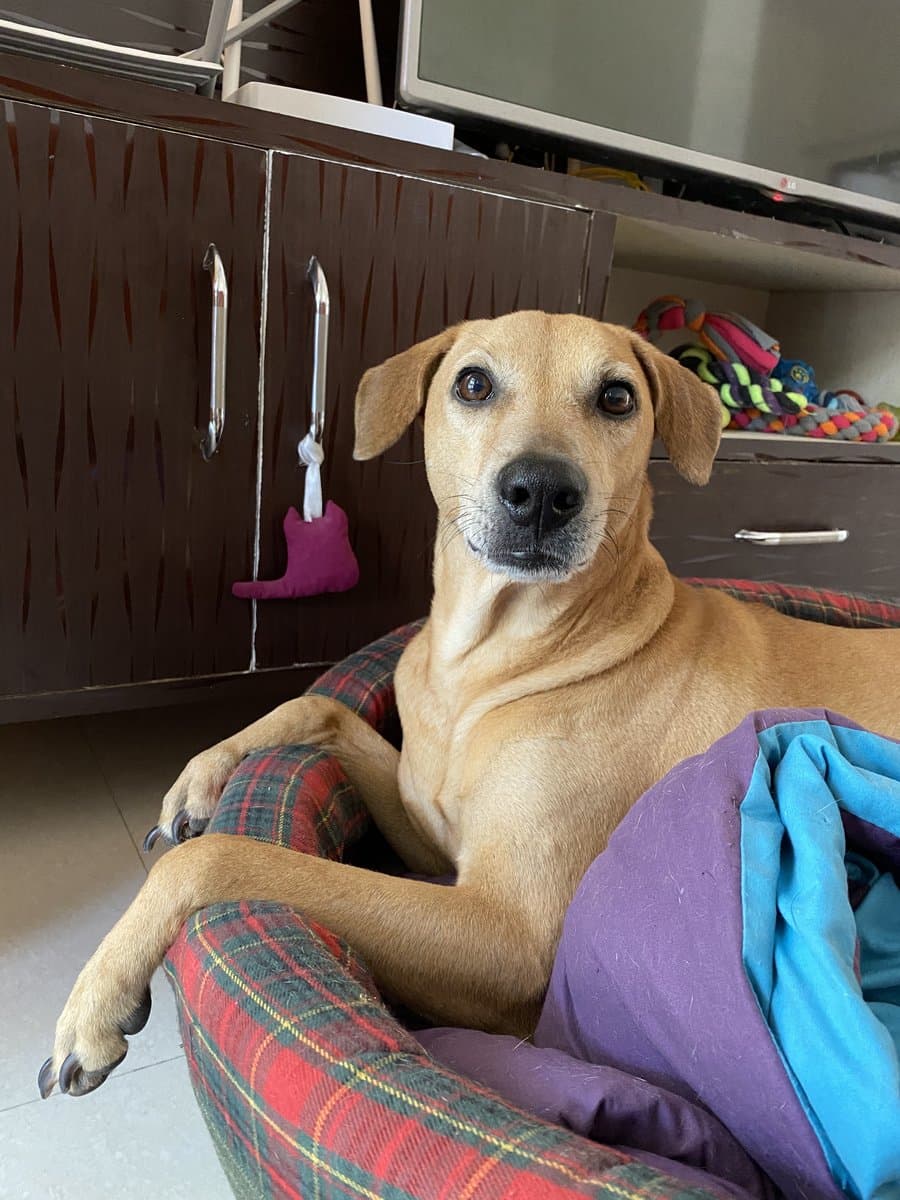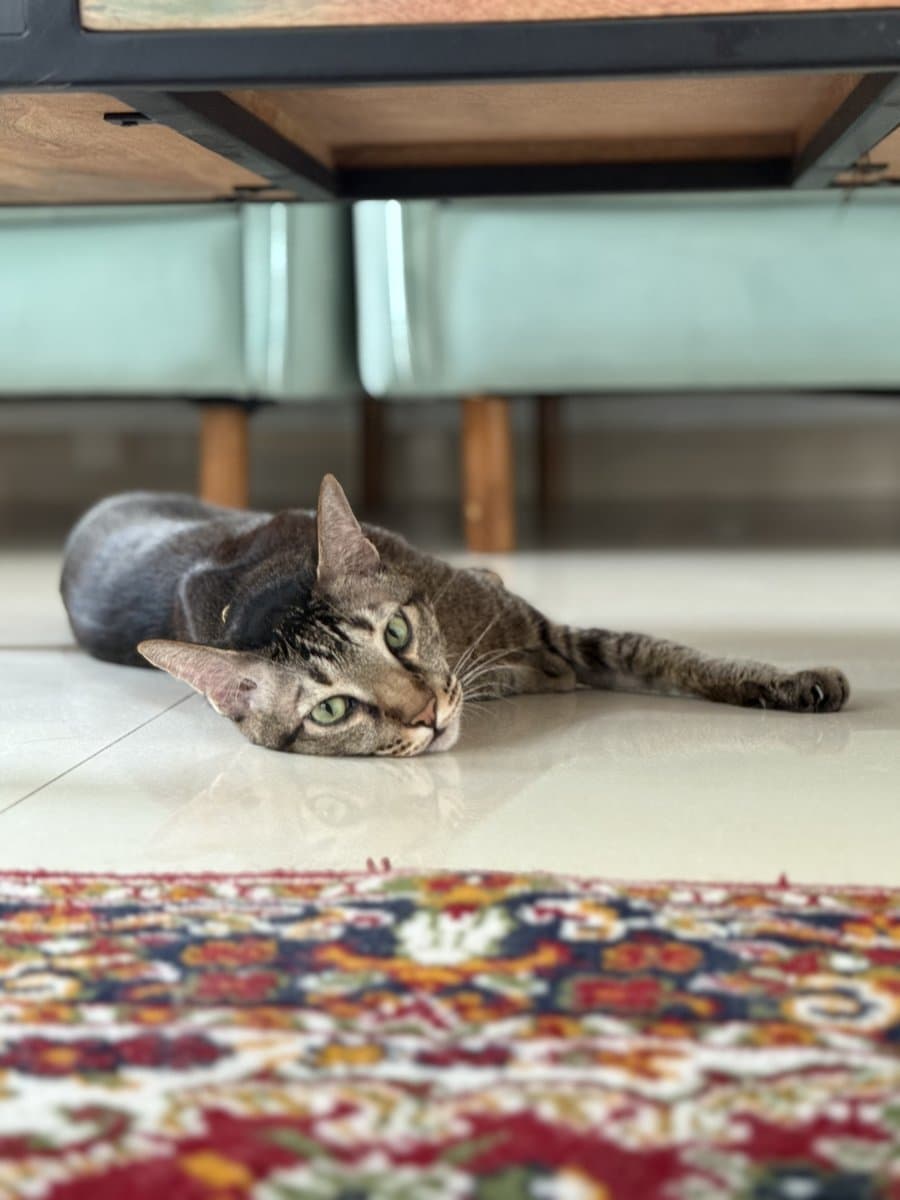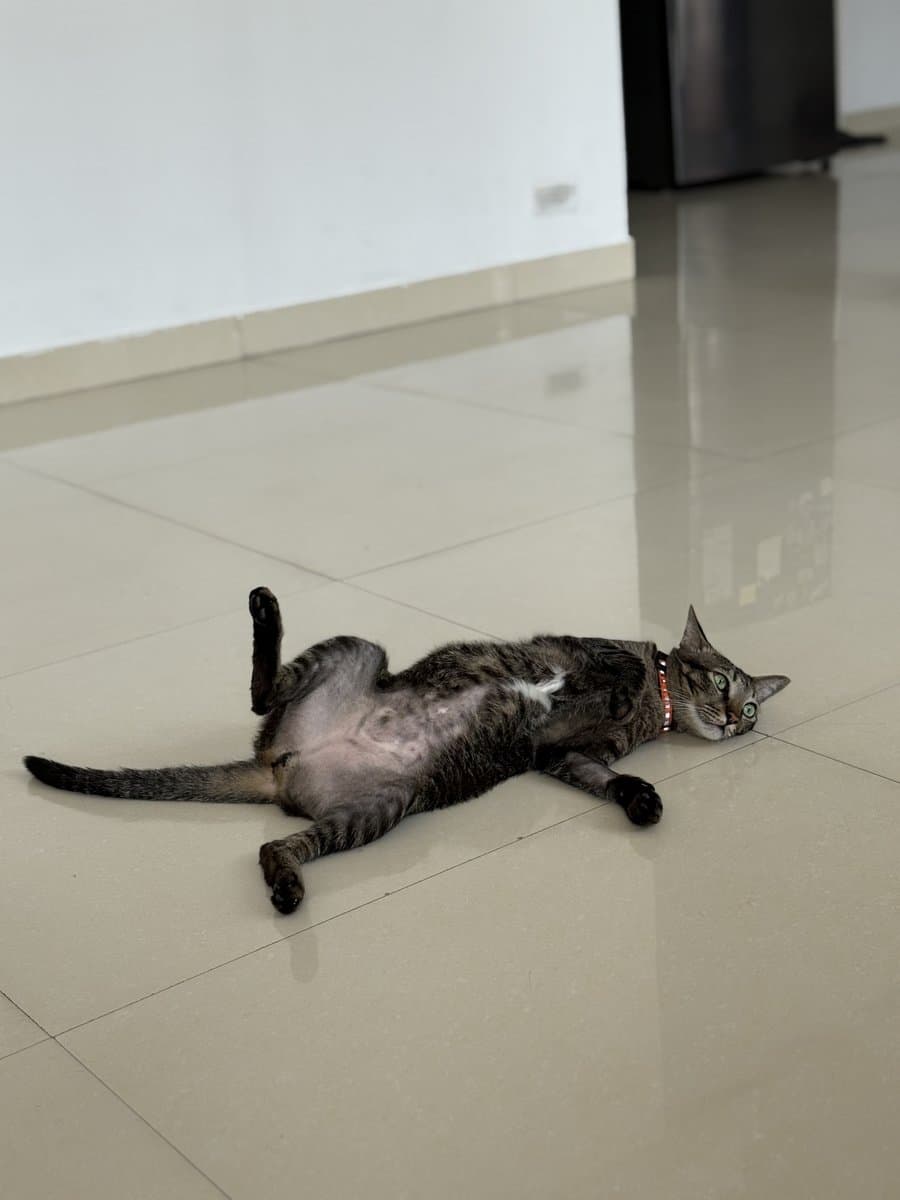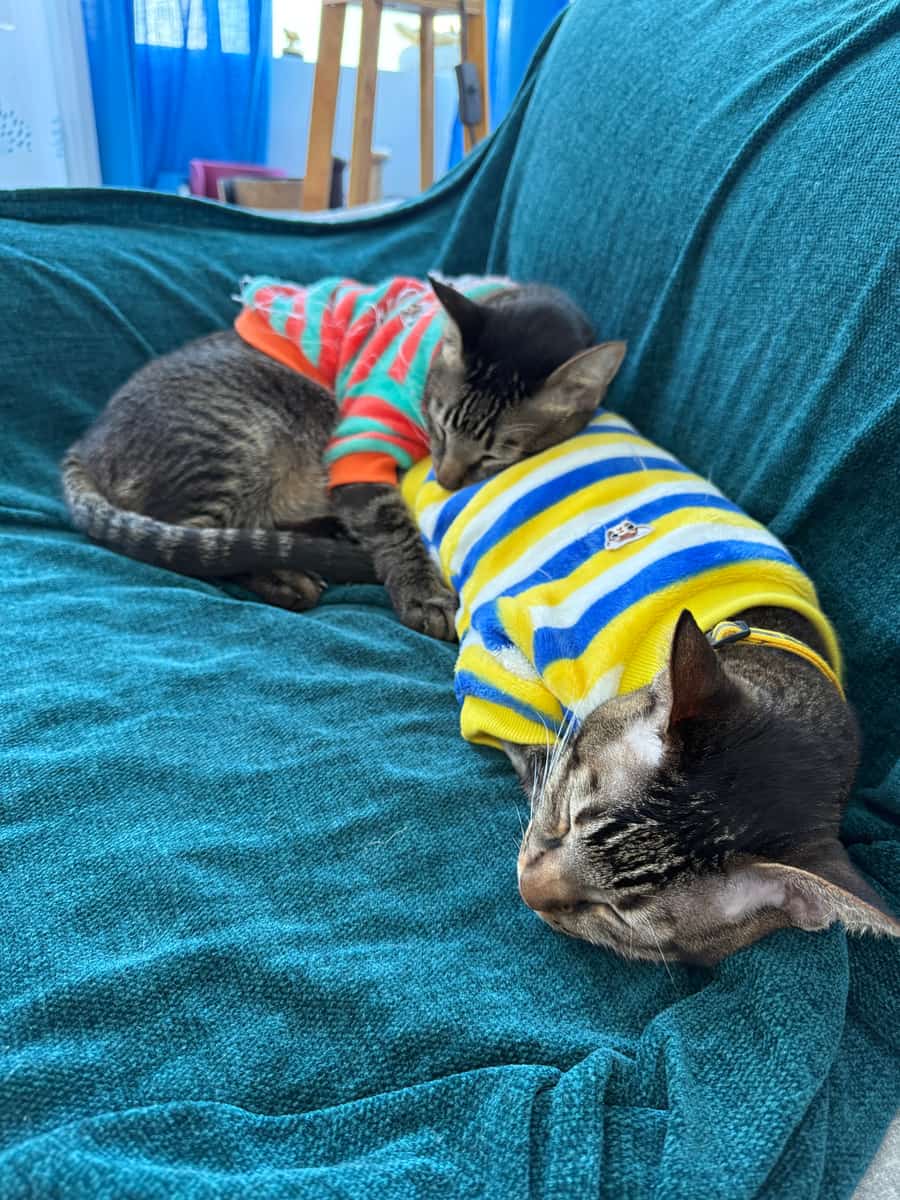
The first chilly morning always gives it away. Your dog, who usually sprawls across the cool floor, is suddenly curled into a tight little ball on the sofa. Your cat has claimed the one patch of sunlight on the balcony and will not be moved.
Indian winters are not Canadian winters. Still, a Delhi night in a cold wave, a draughty ground-floor flat in Lucknow or a damp December in Bengaluru can be genuinely uncomfortable for a pet, especially a small, old or thin-coated one. Here is how to keep yours warm and safe, without wrapping them in three layers they never needed.
How Cold Is Too Cold?
There is no single number that works for every pet. How well an animal handles the cold depends on its coat, body fat, activity level and health [1]. A fluffy, well-fed young Labrador and a tiny senior Pomeranian are living in very different winters, even in the same room.
For context, the India Meteorological Department calls it a cold wave on the plains once the minimum temperature falls to 10°C or below and drops well under normal, or falls to 4°C or below outright [2]. Those are the nights to take seriously in north and central India. In Hyderabad, Pune or Chennai you are mostly managing chilly mornings and cold floors, which matters most for the very young, the very old and the short-coated.
The simple rule: if you are reaching for a shawl, think about your pet too.
Signs Your Pet Is Feeling the Cold
Pets will not complain in words, so watch for the behaviour. Bring your pet inside and warm them up if they are [1]:
- Shivering, or whining
- Seeming anxious or restless
- Slowing down or stopping on a walk
- Looking weak
- Searching for warm places to burrow into
Cats are quieter about it. You will usually notice them tucking their paws in, sleeping far more, and squeezing into the warmest spot in the house, which may be your laptop.
When to call the vet: if your pet stays weak, sleepy or cold to the touch after you have warmed them up, call your vet. Cold stress can need treatment, and older pets or those with health problems tire faster [1].
Does Your Dog Need a Sweater?
Some do, many do not. Small, light-bodied and toy breeds, and dogs with very short or thin coats, genuinely benefit from a sweater, outdoors and sometimes indoors too [3]. Think Chihuahuas, Pugs, Dachshunds, Miniature Pinschers and freshly groomed dogs whose coat has been clipped short.
A quick toilet break usually does not call for one [3]. Long early-morning walks in a north Indian winter are a different story.
What about indies? Most desi dogs have a short, dense coat built for Indian weather, and a healthy adult indie usually copes well. Puppies, seniors, thin dogs and indies recovering from illness are the exception. If your indie is shivering on the 6 a.m. walk, that is your answer.
If you do buy one, choose a snug fit that does not rub under the legs, and take it off indoors once your dog is warm so they do not overheat.
Long-haired breeds like Huskies, Saint Bernards and Malamutes rarely need a sweater in Indian conditions. They are more likely to be happy that summer is finally over.
A Warm Corner at Home
Most Indian homes are built to stay cool, with marble, granite or tiled floors that turn icy in December. That is lovely in May and miserable for a dog sleeping on the floor in winter.
- Lift the bed off the floor. A raised bed, or a thick folded blanket on a mat, makes a big difference.
- Move it away from doors and windows. Draughts matter more than you think.
- Give cats a covered spot. A cardboard box with an old sweater inside is often the most popular bed in the house.
- Bring terrace and balcony dogs in at night. Even pets that live mostly outdoors should come inside when it gets properly cold [1].
Feeding the colony dogs on your street? An old blanket or gunny sack in a sheltered corner, out of the wind, helps them through the coldest nights. Never light a fire for them.
Heaters, Fires and Closed Rooms
Pets love heaters, sometimes a little too much. Keep any room heater at a distance your pet cannot lie right against, keep cords out of chewing range, and never leave a pet alone in a room with a heater running.
Be especially careful with anything that burns fuel: an angithi or sigri, a coal brazier, a kerosene or gas heater, or a fireplace. In a closed room these can produce carbon monoxide, which you cannot see or smell [4]. Pets are affected too. Watch for unusual sleepiness, weakness, trouble breathing, vomiting or bright red gums [4].
Emergency: if your pet seems drowsy or unwell in a room with a fire or fuel heater, get everyone into fresh air right away and call a vet. Never let a pet sleep in a closed room with a burning angithi or brazier.
Cats, Cars and the Morning Knock
On cold nights, outdoor and community cats often crawl under car bonnets or into the wheel arches to soak up the engine's leftover warmth [5]. Starting the car with a cat inside can badly injure or kill it.
Before you start your car or scooter on a winter morning, knock on the bonnet, honk the horn and give any sleeping cat a few seconds to jump out [1][5]. It takes five seconds. Make it a family habit, especially in parking lots and society basements.
Senior Pets and Stiff Joints
If your older dog seems slower to get up on winter mornings, the cold may be making stiff joints worse. Arthritic dogs often hide their discomfort and show only small signs [6], like hesitating before the stairs, lagging behind on walks or no longer jumping onto the sofa.
- Give them the warmest, softest bed in the house, off the floor.
- Keep walks shorter but regular. Gentle movement helps more than staying still all day.
- Put rugs or yoga mats on slippery floors so they do not skid.
- Watch their weight. Less activity plus the same food adds up quickly over a winter.
If the stiffness is new or getting worse, book a check-up. Your vet can tell you whether it is arthritis and what can help [6].
If you want to see whether your senior is slowing down this winter, logging walks and weight in The Fur Stories app makes the pattern easy to spot, and easy to show your vet.
Walks, Paws and Winter Routines
- Shift walk times. In north India, a mid-morning or afternoon walk in the sun beats a foggy 6 a.m. outing for small or older dogs.
- Check paws. Cold, dry air can crack paw pads. Look for cracks or bleeding after walks [1], and ask your vet about a pet-safe paw balm.
- Wipe down after walks. A quick wipe of paws, legs and belly removes dirt and anything your dog picked up on the road [1].
- Keep the water bowl full. Many pets drink less when it is cold. Fresh water at room temperature is more inviting than icy water.
- Watch the festive table. Christmas cakes with raisins and New Year chocolate are risky for pets. Our Indian kitchen food guide lists what to keep out of reach.
Winter is short in most of India. A few small changes, a warm bed, a careful eye on the heater and a knock on the car bonnet, are usually all it takes to get your pet through it happily.
📖 Related Guides
Frequently Asked Questions
References & Sources
- American Veterinary Medical Association. Cold weather animal safety. https://www.avma.org/sites/default/files/resources/ColdWeatherSafety.pdf
- India Meteorological Department. Cold wave hazard: criteria for cold wave. https://imdpune.gov.in/hazardatlas/cold.pdf
- PetMD. Do Dogs Need Sweaters in Winter?. https://www.petmd.com/dog/seasonal/evr_dg_sweaters_for_dogs
- Hill's Pet Nutrition. Carbon Monoxide Poisoning in Cats. https://www.hillspet.com/cat-care/healthcare/carbon-monoxide-poisoning-in-cats
- ASPCA. "Miracle" Kitten Survives Ride Under Car Hood in Freezing Temperatures. https://www.aspca.org/news/miracle-kitten-survives-ride-under-car-hood-freezing-temperatures
- VCA Animal Hospitals. 13 Signs Your Dog's Arthritis Is Acting Up. https://vcahospitals.com/resources/conditions-dog/bone-joint-muscle/signs-your-dogs-arthritis-is-acting-up
About the authors
Pet Health Writers
Our editorial team researches, collates, and publishes evidence-based pet health content tailored to the unique needs of Indian pet parents.