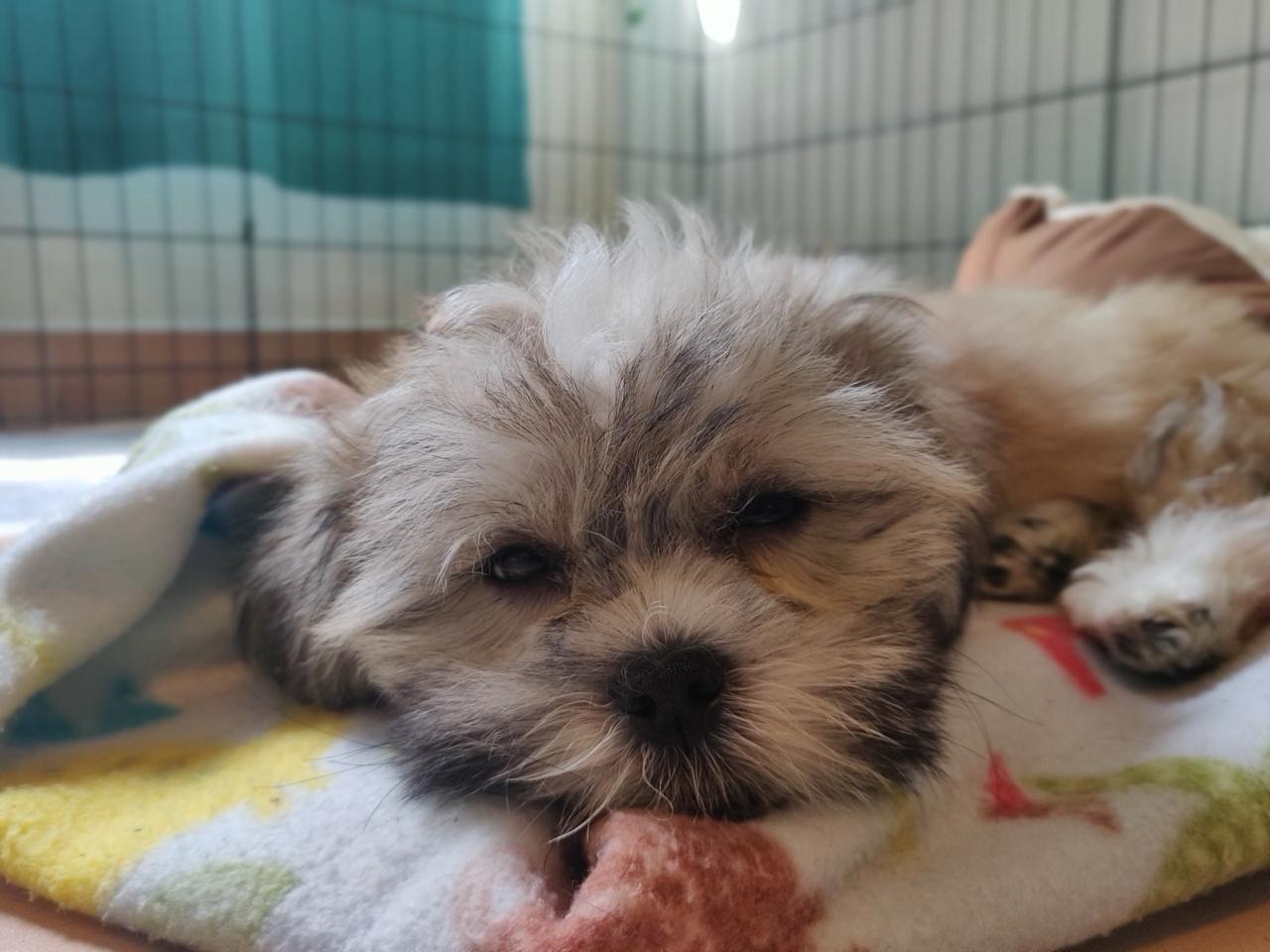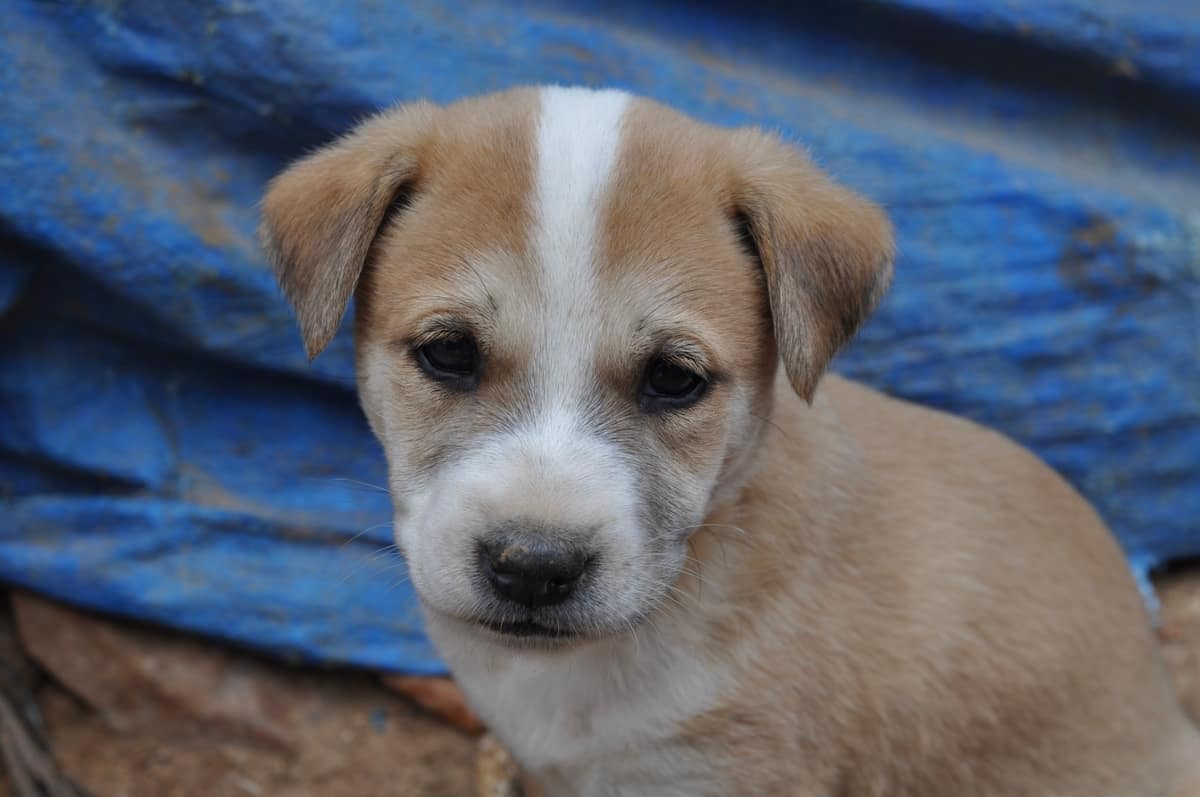
You are on the fourteenth floor. Your puppy is spinning in circles by the door. The lift is somewhere on the ground floor, and you are already too late.
If that sounds familiar, you are not doing anything wrong. Potty training in an apartment is genuinely harder than in a house with a garden. The good news is that the same few habits work in a Mumbai high-rise and a Gurugram builder floor alike, and most puppies get there faster than their humans expect.
First, a Little Perspective
A young puppy simply cannot hold it for long. A common rule of thumb is roughly one hour for every month of age, so an eight-week-old puppy may manage only about two hours awake [1]. They usually last longer while asleep.
Potty training is about teaching a habit and building bladder control at the same time. Expect a few weeks of real effort and the odd accident for a few months. That is normal, not failure.
The Schedule Does Most of the Work
Puppies need to go at predictable moments. Take your puppy to the potty spot [2]:
- First thing in the morning, before anything else
- Right after waking from every nap
- Soon after eating or drinking a lot
- After play sessions and zoomies
- Last thing at night
Between those moments, offer a trip every hour or two while your puppy is very young, and stretch the gap as they grow. Feeding at the same times each day helps too, because regular meals lead to regular toilet breaks.
When your puppy goes in the right place, praise them warmly and give a small treat right away, within a second or two. That instant reward is what teaches them [3].
A sample day for a 10-week-old puppy
| Time | What happens |
|---|---|
| 6:30 a.m. | Straight out of bed to the potty spot, then breakfast |
| 7:00 a.m. | Potty trip after breakfast, then play |
| 8:00 a.m. | Nap in the crate or pen |
| 10:00 a.m. | Wake up, potty trip, play and short training |
| 12:30 p.m. | Lunch, potty trip, nap |
| 3:00 p.m. | Wake up, potty trip, play |
| 6:00 p.m. | Dinner, potty trip, family time |
| 8:00 p.m. | Potty trip after evening zoomies |
| 10:30 p.m. | Last potty trip, then bed |
Add a quick trip whenever your puppy wakes up or finishes playing in between. Exact times matter less than doing it the same way every day.
What about nights?
Young puppies often need one trip in the middle of the night for the first few weeks. Keep it boring: lights low, no play, straight to the spot and straight back to bed. Taking water away about an hour before bedtime can help, as long as your puppy has had plenty during the day. Most puppies sleep through within a few weeks.
If you want to spot your puppy's pattern faster, logging walks and toilet breaks in The Fur Stories app shows you the times that work, so the whole family can follow the same routine.
Balcony Pads or Going Downstairs?
This is the big apartment question, and there is no single right answer.
Pads or a grass tray on the balcony are easy to reach, which matters a lot for a tiny bladder on a high floor [4]. The catch is that you are teaching your puppy that going indoors is sometimes fine, and switching to outdoors later takes extra work [4].
Going downstairs builds the habit you probably want long term, but it means many lift rides a day, at 6 a.m. and in the monsoon.
Many Indian families do a sensible mix: a balcony pad for the first weeks and for nights, plus outdoor trips whenever possible, then gradually phasing out the pad. Whatever you choose, keep the potty spot in the same place so your puppy learns exactly where to go.
Before vaccines are complete: young puppies are vulnerable to infections like parvo, which spread where many unknown dogs go. Ask your vet which outdoor areas are safe until your puppy's vaccine course is done. Our vaccination guide explains the timing.
Lifts, Stairs and Society Rules
- Carry small puppies through the lift and lobby. Little bladders often let go the moment they get excited.
- Keep a "potty kit" by the door: leash, treats, poop bags, tissues and a small spray bottle of cleaner.
- Head straight to the potty spot. Play and sniffing come after the job is done, not before.
- Clean up every time. Most society complaints about pets start with mess in common areas. Picking up keeps neighbours friendly.
A Small, Safe Space
Crate training is especially helpful for potty training in an apartment [5]. Puppies naturally avoid soiling the place where they sleep, so a cosy crate or a small puppy-proofed area helps them learn to hold it.
The space should be just big enough to stand, turn around and lie down. Too big, and one corner becomes a toilet. Never use the crate as punishment, and do not leave a young puppy in it longer than they can comfortably hold their bladder.
When you cannot watch your puppy closely, the crate or a small gated area keeps accidents to a minimum. When they are out and about, keep an eye on them. Sniffing, circling and heading off behind the sofa are your cue to move fast.
When Accidents Happen
They will. Here is what to do:
- If you catch them mid-way, calmly interrupt with a gentle sound and take them straight to the potty spot. Praise them if they finish there.
- If you find it later, just clean it up. Your puppy cannot link a scolding to something they did even a short while ago [3].
- Use an enzymatic cleaner. It breaks down the smell that would otherwise draw your puppy back to the same spot [3].
Never rub your puppy's nose in it, shout or hit. Punishment only teaches your puppy to be afraid of you, or to hide when they need to go [2]. That makes potty training slower, not faster.
If your puppy suddenly has many more accidents, pees very often, strains or has diarrhoea, call your vet. Sometimes it is a health problem, not a training one.
Get the Whole Household on Board
In many Indian homes, a puppy has several carers: parents, kids, grandparents, a dog walker, the didi who helps around the house. Potty training falls apart when everyone does it differently.
- Agree on one potty spot and one cue word, like "go potty" or "su-su".
- Put the schedule on the fridge so whoever is home knows when the next trip is due.
- Make sure everyone praises in the right place and nobody scolds after the fact.
Be patient with your puppy, and with yourself. One day soon you will notice they have walked to the door and are waiting. That is the moment it all pays off.
Frequently Asked Questions
References & Sources
- American Kennel Club. How to Potty Train a Puppy. https://www.akc.org/expert-advice/training/how-to-potty-train-a-puppy/
- The Humane Society of the United States. How to house train your dog or puppy. https://humanesociety.org/resources/how-house-train-your-dog-or-puppy
- ASPCA. House Training Basics. https://www.aspca.org/pet-care/general-pet-care/house-training-basics
- American Kennel Club. The Ins and Outs of Potty Pad Training. https://www.akc.org/expert-advice/training/puppy-training/the-ins-and-outs-of-potty-pad-training/
- VCA Animal Hospitals. How to Potty Train Your Puppy. https://vcahospitals.com/pediatric/puppy/behavior-training/how-to-potty-train-your-puppy
About the authors
Pet Health Writers
Our editorial team researches, collates, and publishes evidence-based pet health content tailored to the unique needs of Indian pet parents.